The Caribbean is often depicted as a monolithic paradise of uniform resort beaches, turquoise waters, and cruise ship ports. However, treating this vast archipelago—spanning over seven thousand islands, islets, and cays—as a simple, one-size-fits-all tropical destination overlooks its immense cultural, geographical, and ecological diversity. Beyond the gated hotel enclaves lies a dynamic region shaped by distinct Indigenous, European, African, and Asian heritages, dramatic volcanic terrains, and complex marine ecosystems.
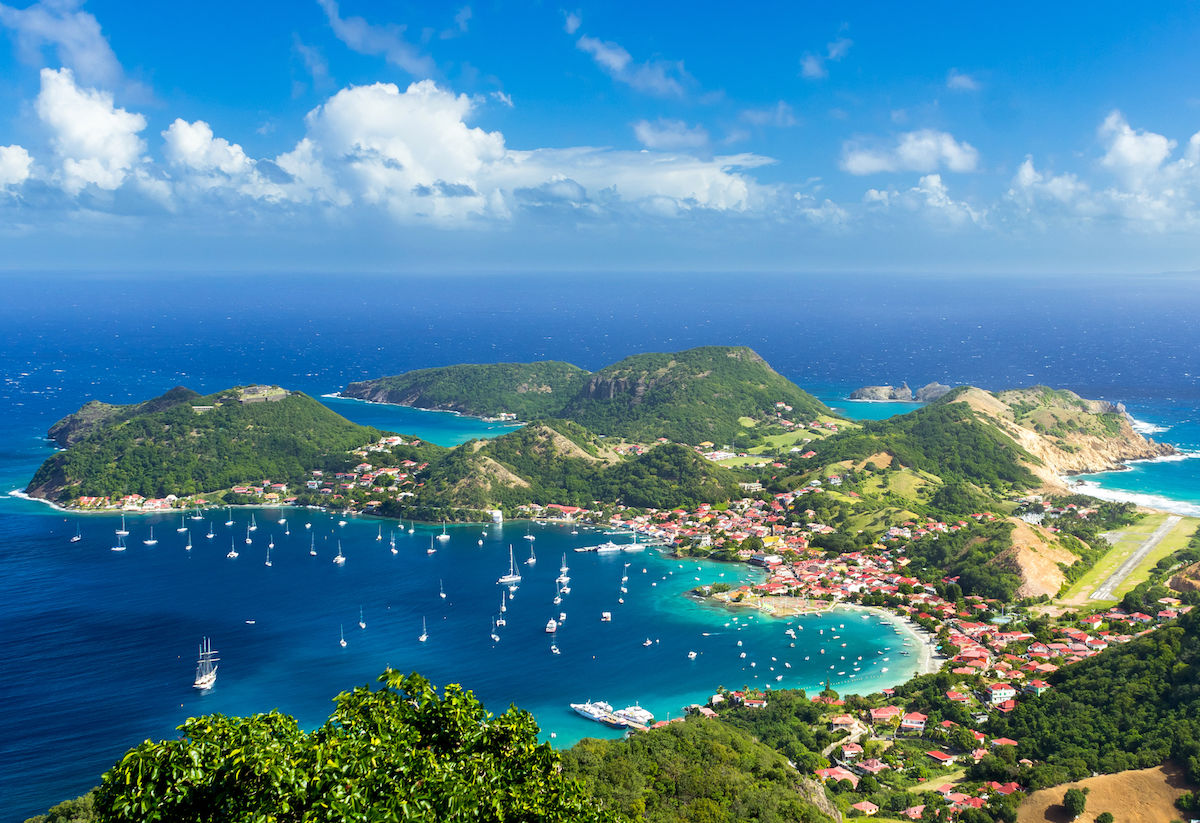
Designing an authentic and deeply restorative Caribbean vacation requires moving past standardized travel brochures to focus on regional nuance, intentional island selection, and respectful cultural engagement.
The Hidden Diversity of the Caribbean Archipelago
Understanding the Caribbean begins with recognizing that each island nation possesses a distinct identity, topography, and cultural rhythm. Aligning your travel preferences with the correct sub-region transforms a standard beach trip into a rich, immersive journey.
- The Greater Antilles: Rich History and Expansive LandscapesComprising larger islands such as Cuba, Hispaniola (Dominican Republic and Haiti), Jamaica, and Puerto Rico, this region offers expansive mountain ranges, deep historical sites, vibrant music traditions, and complex urban centers alongside world-class coastlines.
- The Lesser Antilles: Volcanic Peaks and Intimate CovesStretching in an arc from the Virgin Islands down to Grenada, the Lesser Antilles are characterized by dramatic volcanic geology, dense rainforests, marine sanctuaries, and distinct colonial heritage influences ranging from French to Dutch and British.
- The Low-Lying Coral Islands: Pristine Marine SanctuariesIslands like Aruba, Bonaire, Curaçao, and the Turks and Caicos feature flat, arid landscapes surrounded by extensive coral reef systems. These locations are exceptional for world-class scuba diving, windsurfing, and quiet coastal retreats.
Strategic Pillars for Crafting an Exceptional Caribbean Journey
Navigating the logistics of island travel requires a balanced approach that combines relaxation with environmental and community awareness.
1. Selecting the Ideal Island Profile
Rather than choosing a destination based solely on luxury amenities, select an island whose core characteristics match your personal travel objectives.
- For Eco-Adventure and Hiking: Choose lush, mountainous islands like Dominica, Saint Lucia, or Grenada, where volcanic crater lakes, waterfalls, and rain-forested national parks take center stage.
- For Culinary and Cultural Depth: Opt for destinations like Barbados, Martinique, or Puerto Rico, where fusion cuisines, historic architecture, and local arts festivals offer rich cultural engagement.
- For Marine Exploration: Select locations like Bonaire or the Cayman Islands, where protected marine parks and accessible shore dives allow for uncrowded underwater exploration.
2. Practicing Responsible and Regenerative Tourism
Sustaining the delicate ecosystems and local economies of small island developing states requires mindful travel choices.
- Support Local Economies Directly: Dine at locally owned eateries, stay in boutique guest houses, and hire certified local guides to ensure tourism revenue directly supports host communities.
- Respect Fragile Marine Life: Utilize mineral-based, reef-safe sunscreens to protect coral formations, avoid touching delicate marine life, and reduce single-use plastic consumption to minimize landfill pressure on small islands.
Practical Action Plan for Planning Your Trip
Executing a smooth Caribbean itinerary demands careful attention to seasonal weather patterns, regional transport, and health protocols.
- Time Your Visit Around Seasonal CyclesThe Caribbean experiences distinct weather windows. High season runs from December to April, offering warm temperatures and low rainfall but higher accommodation costs. The shoulder season (May to June and November) presents an ideal balance of pleasant weather, fewer crowds, and moderate pricing. Be mindful of the regional hurricane season, which spans from July through October, by securing flexible travel insurance if traveling during these months.
- Master Inter-Island TransportationNavigating between islands can be complex. While regional airlines connect major hubs, island-hopping via local ferry networks across nearby chains—such as between Saint Martin, Anguilla, and Saint Barthélemy—offers a seamless, scenic alternative.
- Pack Functional, Tropics-Ready ApparelFocus on lightweight, breathable fabrics like linen and moisture-wicking materials to handle tropical humidity. Include sturdy trail shoes for rainforest excursions, a reliable rain shell for afternoon tropical showers, and UV-protective swimwear.
- Embrace “Island Time” and Local EtiquettePatience and politeness are central to Caribbean social interactions. Greeting locals warmly with a polite “good morning” or “good afternoon” before initiating business or asking for directions builds instant rapport and respects regional social customs.
Conclusion
A meaningful Caribbean vacation extends far beyond passive relaxation on a sunbed. By approaching the archipelago with curiosity and intention—exploring the distinct character of individual islands, supporting local economies, protecting marine environments, and adapting to the natural rhythm of the tropics—you unlock a far richer travel experience. The Caribbean offers an extraordinary synthesis of natural beauty, living history, and warm hospitality; approaching it thoughtfully ensures a journey that restores your energy while leaving a positive footprint on the islands you visit.