Travel has undergone a profound transformation in recent years. While traditional vacations often focus on passive relaxation and predictable resort itineraries, adventure travel invites individuals to step outside their comfort zones and engage directly with the world. True adventure travel goes beyond extreme sports; it is an intentional approach to exploration that prioritizes remote wilderness, immersive cultural exchanges, physical endurance, and environmental stewardship.
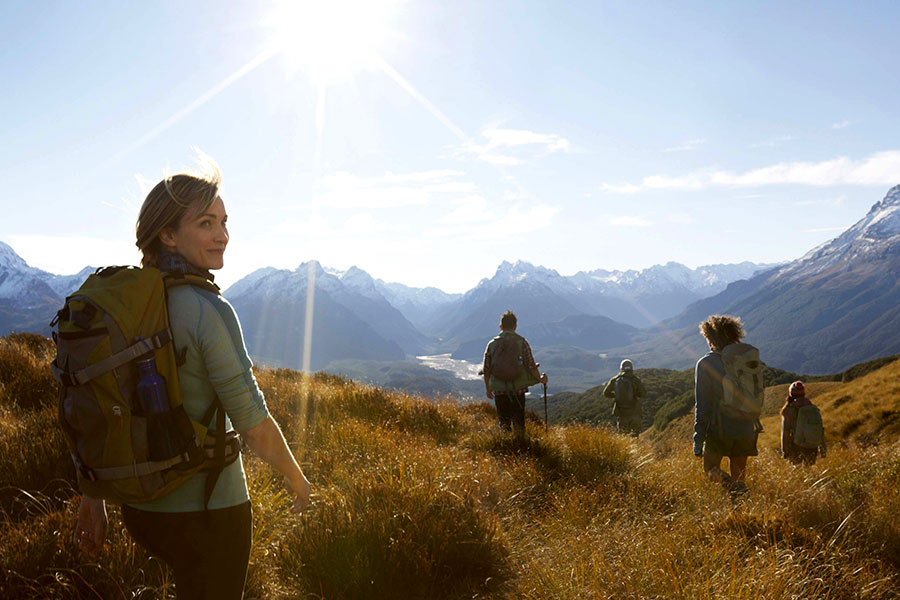
By actively seeking out uncharted paths and raw environments, travelers unlock opportunities for profound personal growth, mental resilience, and a deeper appreciation for planetary ecosystems.
The Core Foundations of Meaningful Adventure Travel
To distinguish true adventure travel from standard tourism, one must look at the underlying principles that drive these journeys. Authentic exploration relies on three primary pillars that transform a simple trip into a life-altering expedition.
- Active Physical EngagementWhether trekking across high-altitude mountain passes, kayaking through coastal fjords, or navigating dense jungle trails, adventure travel incorporates human-powered movement. Physical exertion grounds travelers in the present moment, heightening sensory awareness and fostering personal resilience.
- Unscripted Environmental InteractionUnlike curated tourist attractions, wilderness expeditions require adaptability. Weather shifts, rugged terrain, and unpredictable encounters with wildlife require travelers to develop problem-solving skills, patience, and deep respect for the natural elements.
- Authentic Cultural ImmersionAdventure travel often leads to remote communities off the conventional tourist grid. Engaging with indigenous cultures and local guides provides genuine cross-cultural understanding, fostering mutual respect and preserving traditional heritage.
Key Categories Shaping the Future of Exploration
Adventure travel encompasses a wide spectrum of experiences tailored to different landscapes, skill levels, and personal motivations.
1. High-Altitude Trekking and Alpine Expeditions
Journeying through the world’s major mountain chains—such as the Himalayas, the Andes, or the Southern Alps—demands physical preparation and mental grit.
- Acclimatization and Endurance: Reaching high altitudes requires disciplined pacing, proper hydration, and an understanding of mountain safety protocols.
- Solitude and Perspective: The sheer scale of alpine landscapes offers a rare sense of quiet, allowing trekkers to disconnect from digital noise and recalibrate their internal focus.
2. Remote Wilderness and Expeditionary Journeys
Navigating unpaved wilderness frontiers—such as crossing desert dunes, exploring polar regions, or paddling through river systems—offers raw exposure to untamed nature.
- Self-Reliance and Navigation: These journeys emphasize survival literacy, route planning, and minimal-impact camping skills.
- Conservation Awareness: Witnessing fragile ecosystems firsthand turns travelers into active advocates for environmental preservation and biodiversity protection.
A Practical Blueprint for Planning Your Expedition
Executing a safe, impactful, and memorable adventure requires deliberate preparation. Skipping foundational planning steps can compromise safety and diminish the overall experience.
- Assess Physical Capabilities and Train ProgressivelyBe honest about your current cardiovascular endurance, strength, and mobility. Design a targeted training regimen months in advance that mirrors the physical demands of your chosen terrain, such as loaded hiking, core conditioning, or stamina building.
- Invest in High-Quality, Functional GearYour gear functions as your primary shelter and protection against extreme conditions. Prioritize durable, multi-layered clothing, reliable footwear, navigation tools, and emergency communication devices over unnecessary luxury items.
- Embrace the Leave No Trace PrinciplesMinimize your ecological footprint by respecting local wildlife, properly disposing of waste, staying on marked trails, and packing out everything you bring in. Sustainable travel ensures these delicate environments remain pristine for future generations.
- Partner with Responsible Local OperatorsHire certified local guides, porters, and ethical outfitters. Working directly with host communities ensures safety, provides authentic local insight, and keeps tourism revenue directly within the local economy.
Conclusion
Adventure travel is far more than a collection of adrenaline-fueled activities; it is a transformative mindset that redefines how we interact with the world around us. By swapping predictable itineraries for open-ended exploration, travelers build mental fortitude, cultivate empathy across cultures, and foster a deep sense of responsibility toward protecting our planet’s fragile ecosystems. Stepping off the beaten path requires effort and preparation, but the rewards—unmatched clarity, lifelong memories, and a renewed sense of wonder—make every step of the journey worthwhile.