There is a primal pull toward the ocean that transcends culture and geography. The rhythmic sound of the waves, the tactile sensation of sand beneath the feet, and the endless expanse of the blue horizon offer a form of sensory therapy that no city can replicate. However, not all beaches are created equal. In 2026, the concept of the “perfect” beach getaway has evolved. It is no longer just about finding a patch of sand; it is about finding an environment that aligns with your personal definition of restoration.
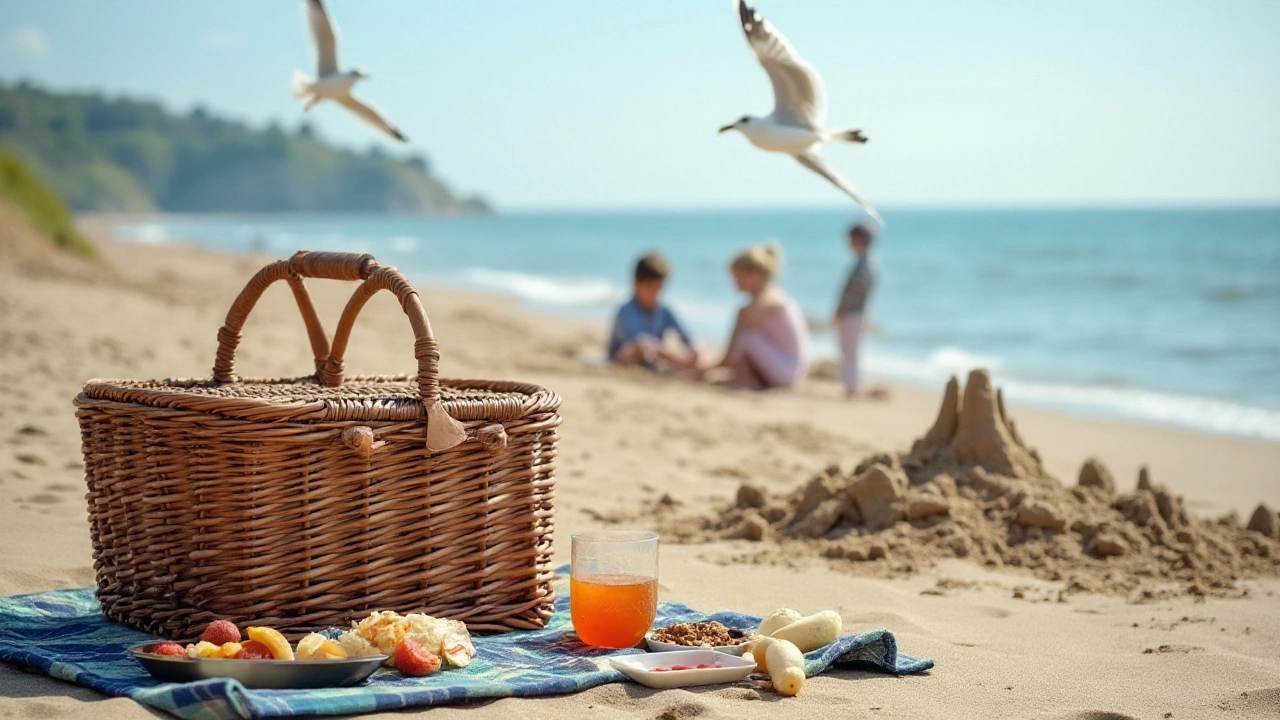
Whether you are seeking a secluded sanctuary for introspection or a vibrant coastal hub for social energy, the secret to a successful beach holiday lies in the details. From understanding seasonal currents to selecting the right coastal topography, here is how to navigate the world’s shorelines to find your ideal escape.
Defining Your Coastal Archetype
The first step in finding the perfect beach is identifying which “coastal archetype” resonates with your current state of mind. Generally, beach destinations fall into three distinct categories, each offering a different psychological reward.
The Secluded Sanctuary
These are the hidden coves and “off-the-grid” islands where the primary luxury is silence. Think of the limestone karsts of El Nido in the Philippines or the rugged, wind-swept shores of the Azores. These locations are perfect for those suffering from digital burnout. The logistics may be more difficult—often involving small boats or long drives—tbt the payoff is a private connection with nature.
The Sophisticated Riviera
For those who enjoy the “see and be seen” atmosphere, the Riviera archetype offers a blend of natural beauty and high-end infrastructure. Destinations like the Amalfi Coast, the French Riviera, or the glamor of Mykonos provide a manicured experience. Here, the beach is the backdrop for fashion, fine dining, and social interaction. It is less about “escaping the world” and more about enjoying the world’s most beautiful social stages.
The Adventure Coast
If sitting still feels like a chore, you are likely looking for an Adventure Coast. These are beaches defined by their elements—high winds for kitesurfing in Tarifa, Spain, or world-class breaks for surfing in Siargao, Philippines. The perfect getaway here is defined by the quality of the water’s energy and the community of like-minded athletes who gather there.
The Science of the “Best” Beach: Beyond the Visuals
When we look at photos online, we are often swayed by the color of the water. However, a practical traveler looks deeper into the geography and environmental factors that determine the daily experience.
Sand Texture and Composition
The “whiteness” of the sand is often prized, but the texture is what matters for comfort. Coral-based sand, common in the Maldives and parts of the Caribbean, stays cool even in the heat of the afternoon. Conversely, volcanic black sand, found in Hawaii or Bali, can become incredibly hot, requiring footwear at all times. Understanding the geology of your destination helps you pack correctly.
Water Clarity and Marine Life
If your perfect getaway involves snorkeling, you must look for “low-nutrient” waters. While “high-nutrient” water is great for large fish, it often appears murkier. Destinations like the Red Sea or the Great Barrier Reef offer high visibility because of their specific oceanic currents. In 2026, it is also vital to check “bloom” reports—seasonal surges in jellyfish or seaweed (like the Sargassum in the Atlantic) that can turn a pristine beach into an unusable shore.
Seasonal Strategy: Timing Your Escape
In the world of travel, timing is as important as the destination. A beach that is a paradise in February can be a disaster in August due to monsoons, hurricanes, or extreme heat.
- The Tropical Belt: For destinations like Thailand, the Caribbean, or Bali, the “dry season” is the gold standard. However, the “shoulder season” (the month just before or after the rains) often provides the best value, with fewer crowds and lower prices, while still offering plenty of sunshine.
- The Mediterranean Cycle: European beaches have a very specific window. July and August are often too crowded and excessively hot. The most practical time for a Mediterranean getaway is September, when the water has been warmed by the summer sun but the crowds have returned to work and school.
Logistics and Accessibility: The Hidden Cost of Paradise
The more beautiful the beach, the harder it usually is to reach. When planning, you must weigh “Beauty vs. Effort.”
A beach that requires two flights, a three-hour van ride, and a 45-minute boat trip is a significant commitment. If you only have four days, it is more practical to choose a destination with a direct flight and a short transfer. In 2026, many travelers are opting for “Secondary Coastal Hubs”—places like Albania’s Riviera or the coast of Oman—which offer the same beauty as famous spots but with less logistical friction and lower costs.
Conclusion
Finding the perfect beach getaway is an exercise in self-awareness. It requires looking past the filtered images on social media and asking what your soul truly needs: Is it the thrill of the surf, the taste of a seaside cocktail, or the simple solitude of a hidden cove? By understanding the geography, the timing, and the specific archetype of the coast you are visiting, you can ensure that your time by the water is truly restorative. The ocean is always there, but the perfect experience is something you must curate with intention.
Would you like me to help you compare three specific beach destinations based on your preferred travel dates and budget?