In the high-seas world of the 2025 travel industry, the word “cheap” is undergoing a massive transformation. No longer associated with sub-par service or outdated vessels, budget-friendly cruising has become the target of sophisticated Public Relations (PR) strategies. As global inflation continues to pinch wallets, the cruise industry has pivoted, using PR to rebrand “cheap” as “high-value,” “accessible luxury,” and “smart travel.”
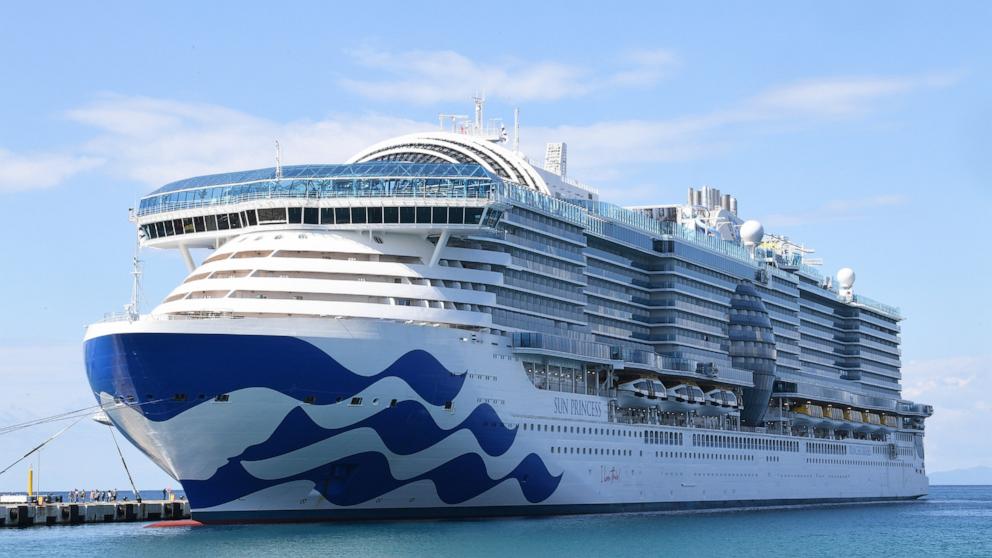
Public Relations is the invisible hand that shapes our perception of value. For the cruise sector, it is the bridge between a low price tag and a high-quality reputation. Here is how PR professionals are navigating the waters of affordable travel to turn budget sailings into the most sought-after bookings of the year.
Rebranding the Budget: From Cheap to Value-Driven
The most significant hurdle for any budget cruise line is the “stigma of the low price.” In the past, a cheap cruise was often perceived as a “floating cafeteria” with crowded decks and limited amenities. In 2026, PR teams have successfully dismantled this myth through a strategy called Narrative Reframing.
Instead of focusing on the low cost, PR campaigns now highlight what is “Always Included.” By using earned media—articles in reputable travel publications and guest spots on morning talk shows—PR pros emphasize that a budget cruise is actually a “financial strategy” for the savvy traveler. They frame the low price as a gateway to “Inclusive Freedom,” where the cost of a single ticket covers accommodation, world-class dining, and multi-country transport. This shift in language moves the consumer’s focus from what they are “saving” to what they are “gaining.”
The Rise of the “Micro-Influencer” and Authentic Advocacy
In the digital landscape of 2026, the traditional glossy advertisement is losing its grip. Modern travelers, especially Gen Z and Millennials, look for authenticity. This is where PR excels. Rather than buying a billboard, PR teams are partnering with “Micro-Influencers”—content creators with smaller but highly engaged audiences.
These influencers are sent on short, three-to-four-day “sampler” cruises. They document the real experience: the quality of the coffee, the speed of the Wi-Fi, and the sunset views from the deck. When a trusted influencer shows their followers that a $400 cruise provides a “VIP experience,” it carries more weight than a million-dollar ad campaign. This “earned trust” is a cornerstone of PR, proving that you don’t need a luxury budget to have a luxury-looking Instagram feed.
Leveraging “Wave Season” and Zero-Click PR
In the PR world, timing is everything. The first quarter of the year, known as “Wave Season,” is when the biggest deals are launched. PR professionals utilize this window to flood the news cycle with “Educational Storytelling.”
They create “Zero-Click” content—headlines and social media posts that provide all the value upfront. For example, a PR-driven article might be titled “5 Legal Loopholes to Get Free Onboard Credit in 2026.” By providing genuine value and “insider secrets,” the brand builds authority. When the consumer is ready to book, they don’t just see a cheap price; they see a brand that has been a helpful guide in their travel planning process.
Crisis Management: Protecting the Low-Cost Image
Public Relations is also the industry’s shield. Budget cruise lines are often under higher scrutiny regarding safety and environmental impact. A single negative story about ship maintenance can tank sales.
Modern PR teams use Proactive Transparency to mitigate these risks. They invite journalists “behind the scenes” to see the latest sustainable technologies on older ships or to interview the chefs about local sourcing for the buffets. By being open about how they keep costs low (e.g., through fuel efficiency or optimized logistics) without compromising safety, they build a reservoir of goodwill that protects the brand during a crisis.
The “Shoulder Season” Strategy
A major part of promoting cheap cruises is managing the calendar. PR pros are the masters of promoting the “Shoulder Season”—those weeks just before or after the peak summer and winter holidays.
Through strategic media placements, they educate the public on the benefits of sailing in May or September: fewer crowds, cooler weather, and prices that are up to 50% lower. They pitch stories like “Why September is the Secret Season for Mediterranean Lovers,” effectively shifting demand away from overbooked periods and filling cabins that would otherwise remain empty. This is a win-win: the cruise line maintains high occupancy, and the traveler gets a “cheap” price for a premium experience.
Conclusion
The success of the budget cruise industry in 2026 is a testament to the power of effective Public Relations. By moving away from price-war advertising and toward value-based storytelling, PR has made affordable travel feel like an elite choice. In a world where everyone is looking for a deal, PR ensures that a “cheap” cruise is seen as the smartest way to see the world. As we look toward the future of travel, it is clear that the most attractive sights are those that come with a narrative of accessibility, transparency, and authentic adventure.
How to Outsmart Cruise Lines in 2026
This video is relevant as it provides practical “financial strategies” and loopholes for securing better deals and onboard credits, perfectly complementing the PR strategy of framing budget travel as a smart, insider move.